Digital guide
Authoritative stories and practical information.
No agency, no replay, no reason to continue elsewhere.
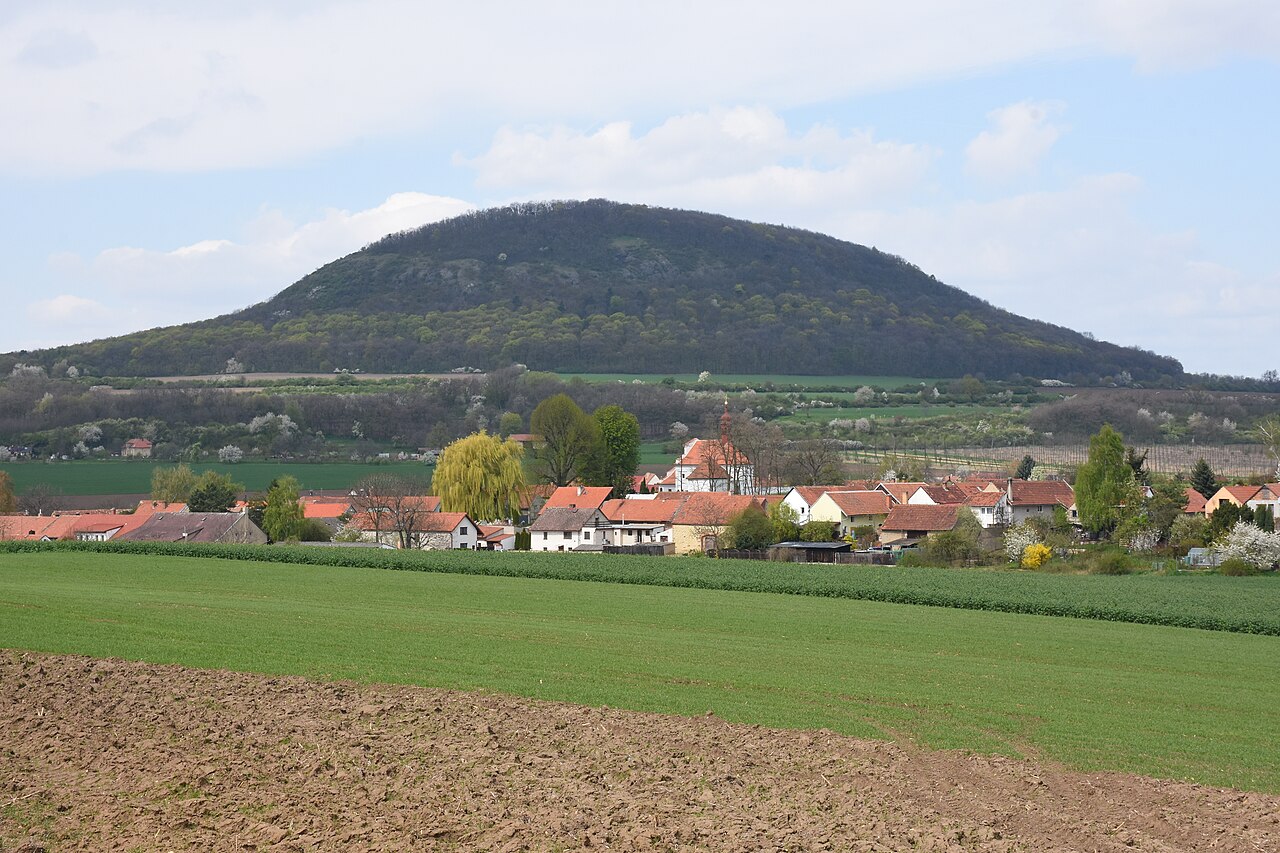
Past Forward · Říp
A heritage walk you play with your eyes, not your screen. Scan once at the trailhead, look at real things, keep what you find.
Concept for 2026 · photo: Ben Skála, Wikimedia Commons, CC BY-SA 4.0
Digital guide
Authoritative stories and practical information.
No agency, no replay, no reason to continue elsewhere.
Location game
Gets people moving, gives instant feedback.
No persistent identity, thin curatorial depth.
Passport or souvenir
Creates ownership, ritual and memory.
No digital continuity, no measurable learning.
The place remains the interface. Technology should tell visitors when to look up, not give them another reason to look down.
The process
Scan one start code — or tap a field token.
Find something real in the landscape, building or collection.
Compare, decode, photograph, discuss, decide.
Submit one QR scan, one image or one short text.
Keep a trace, a story or a reusable skill in your passport.
Earn a badge, unlock a local benefit, find the next place.
place → track → traces → moves → final challenge → badge
Scan to start
Lowest possible barrier
No app to install, no account before you play, no hardware to buy. A single printed code at the entrance opens the route in the browser. Everything else — badges, passport, the physical token — is optional and comes later.
A single laminated or engraved code at the ticket desk or trailhead. Nothing fixed to protected fabric.
Mobile browser only. Plays fine on patchy signal; the deeper layers load when they can.
"Scan this, follow the route, answer six short things, get your badge."
Střekov is a natural first test: one gate, one code, one contained route — before Říp's three tracks go live.
Non-negotiable: the route stays playable without buying anything.
Already built
Screens from our playable archaeology prototype built with Radek Richter — a Maya excavation where every claim is tagged as evidenced, inferred, disputed or unsupported. Říp uses the same grammar outdoors.
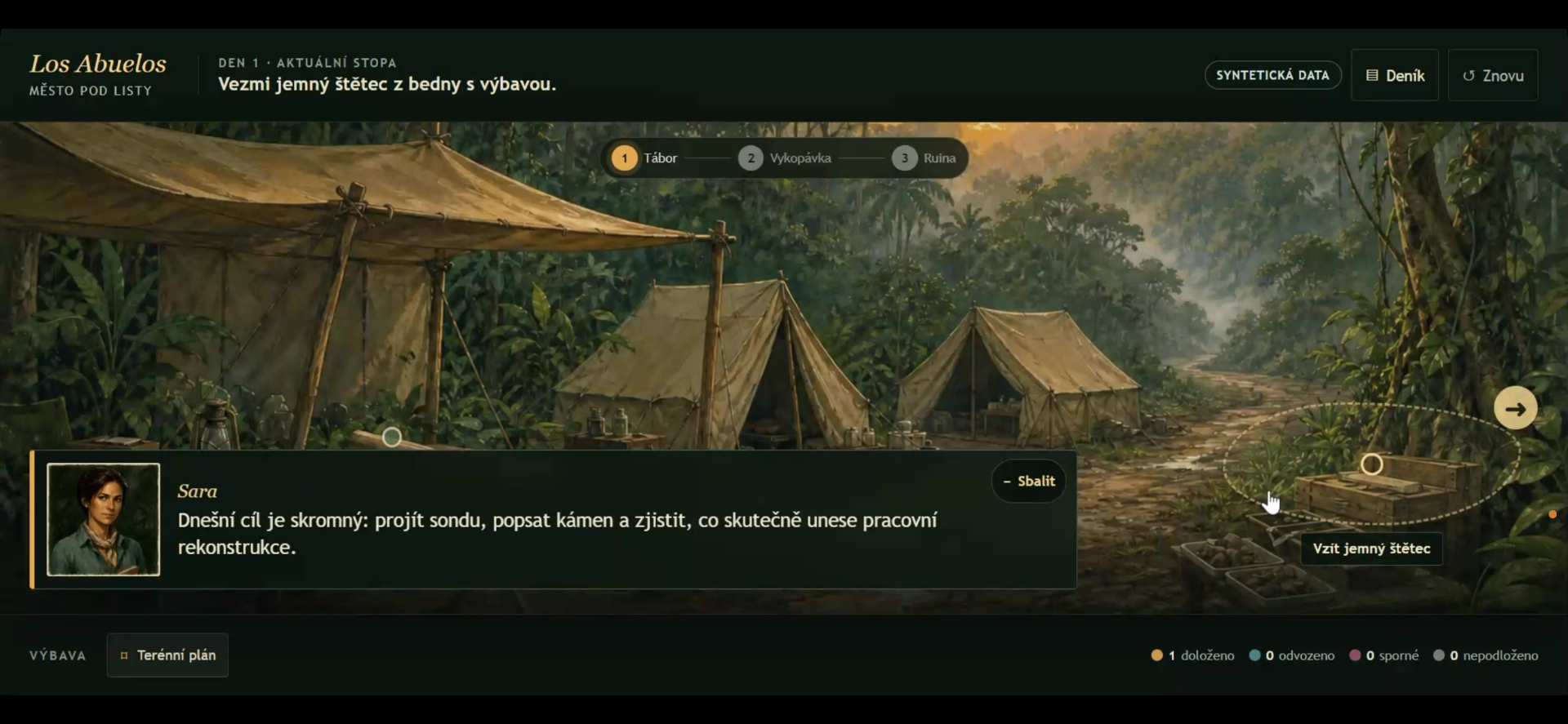
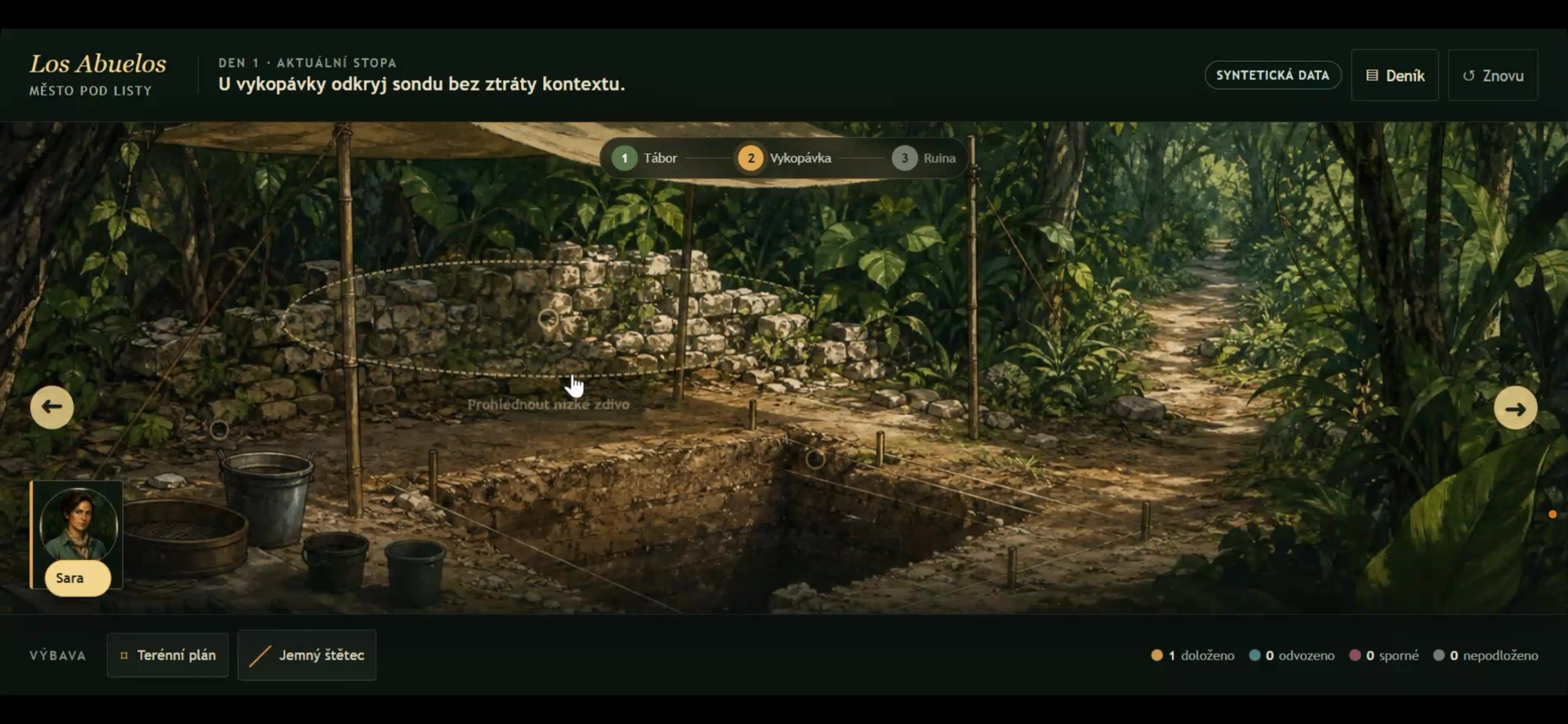
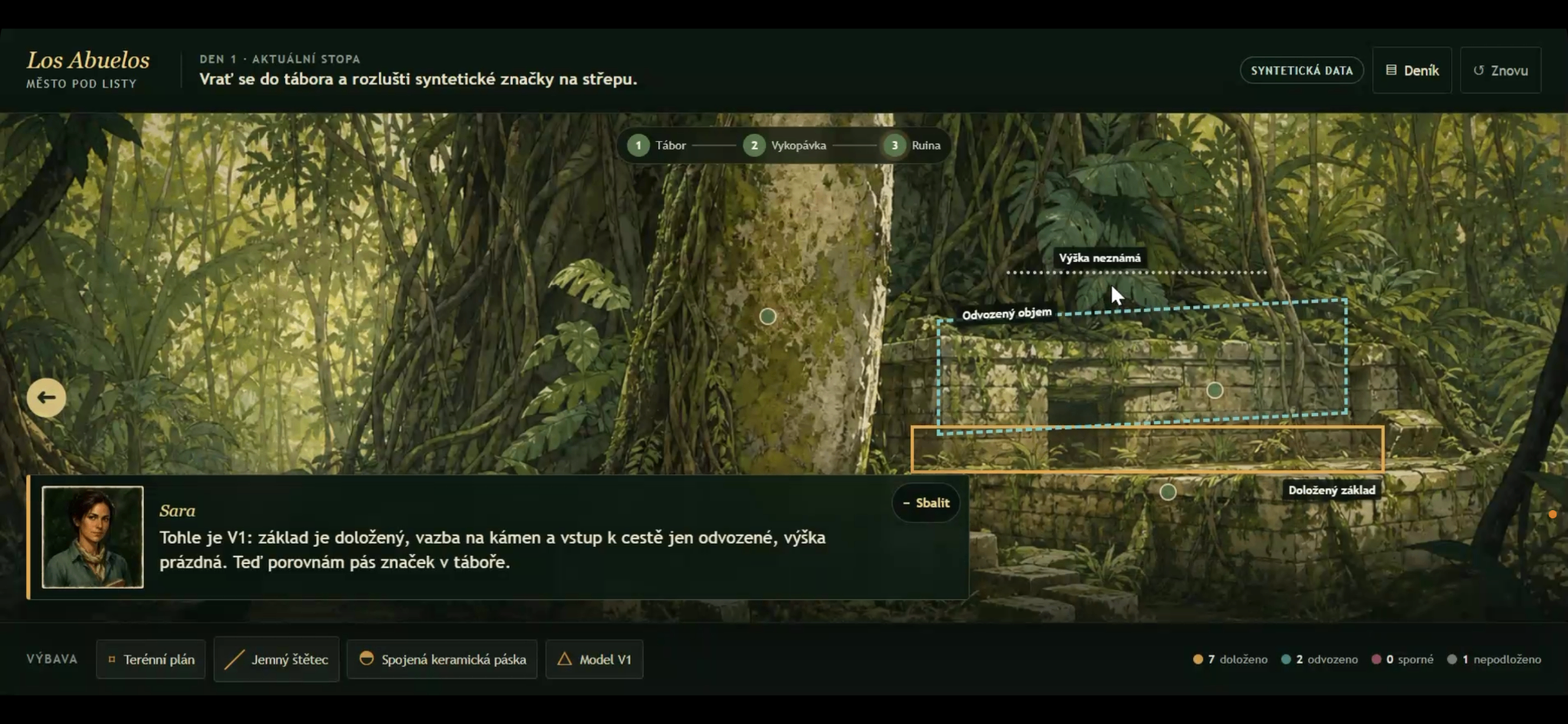
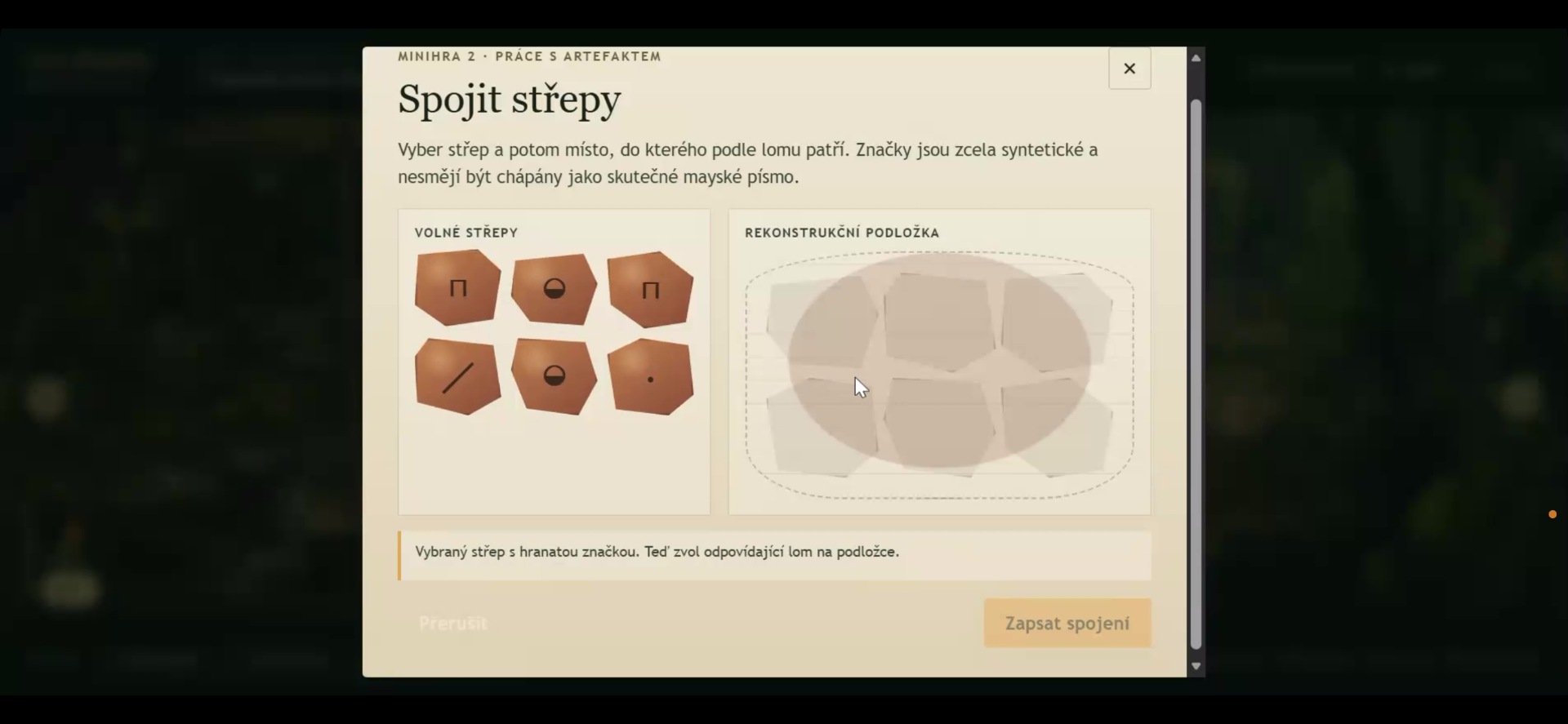
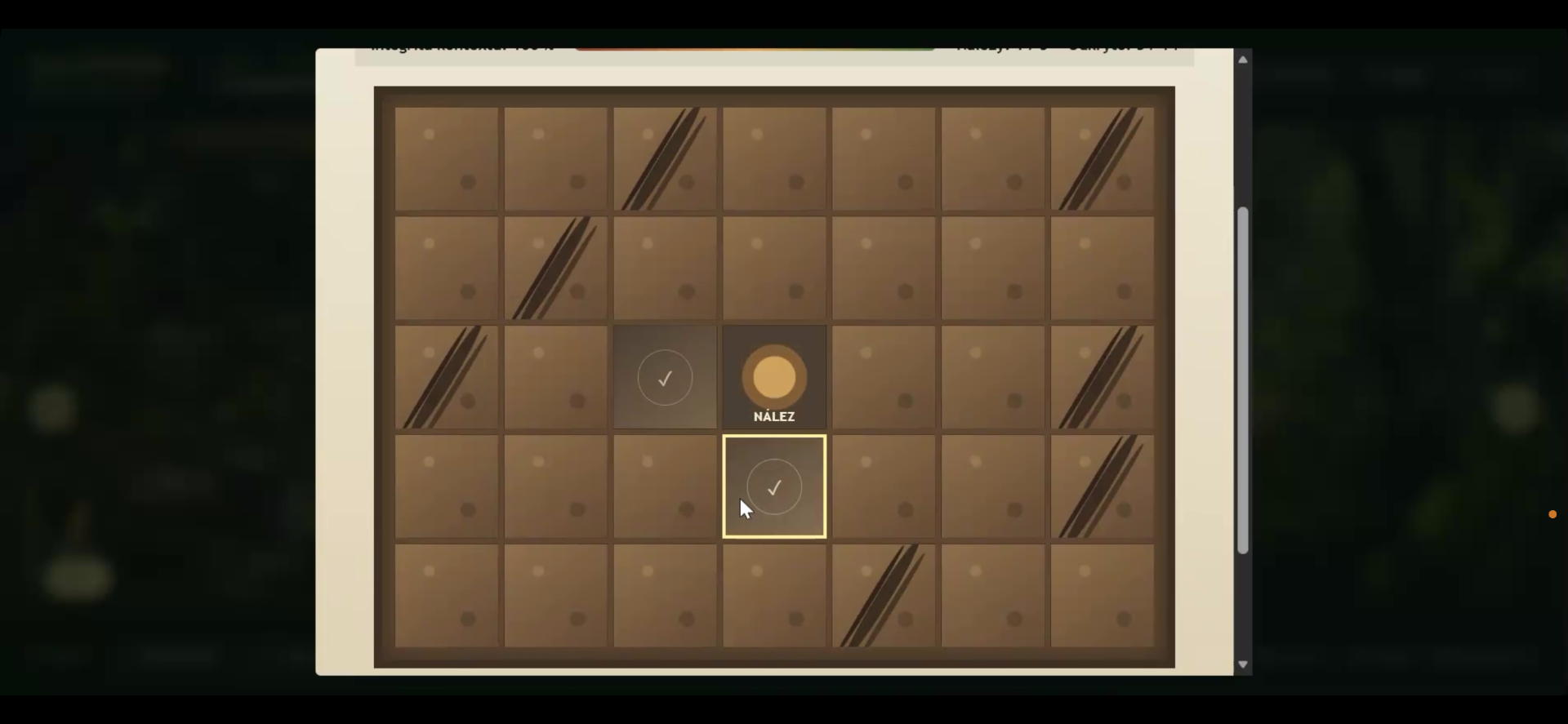
The same four labels travel to the mountain: evidenced, inferred, disputed, unsupported.
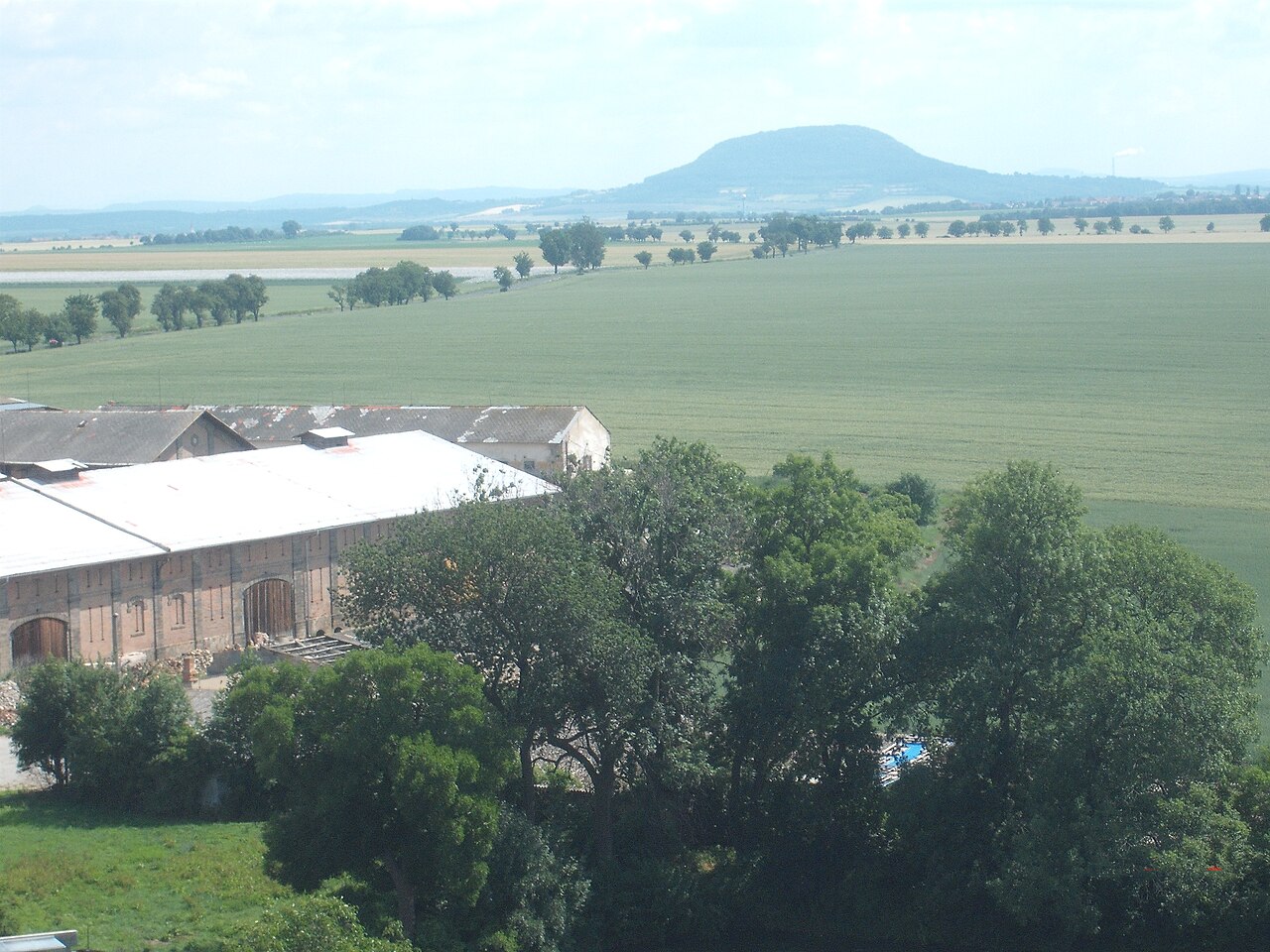
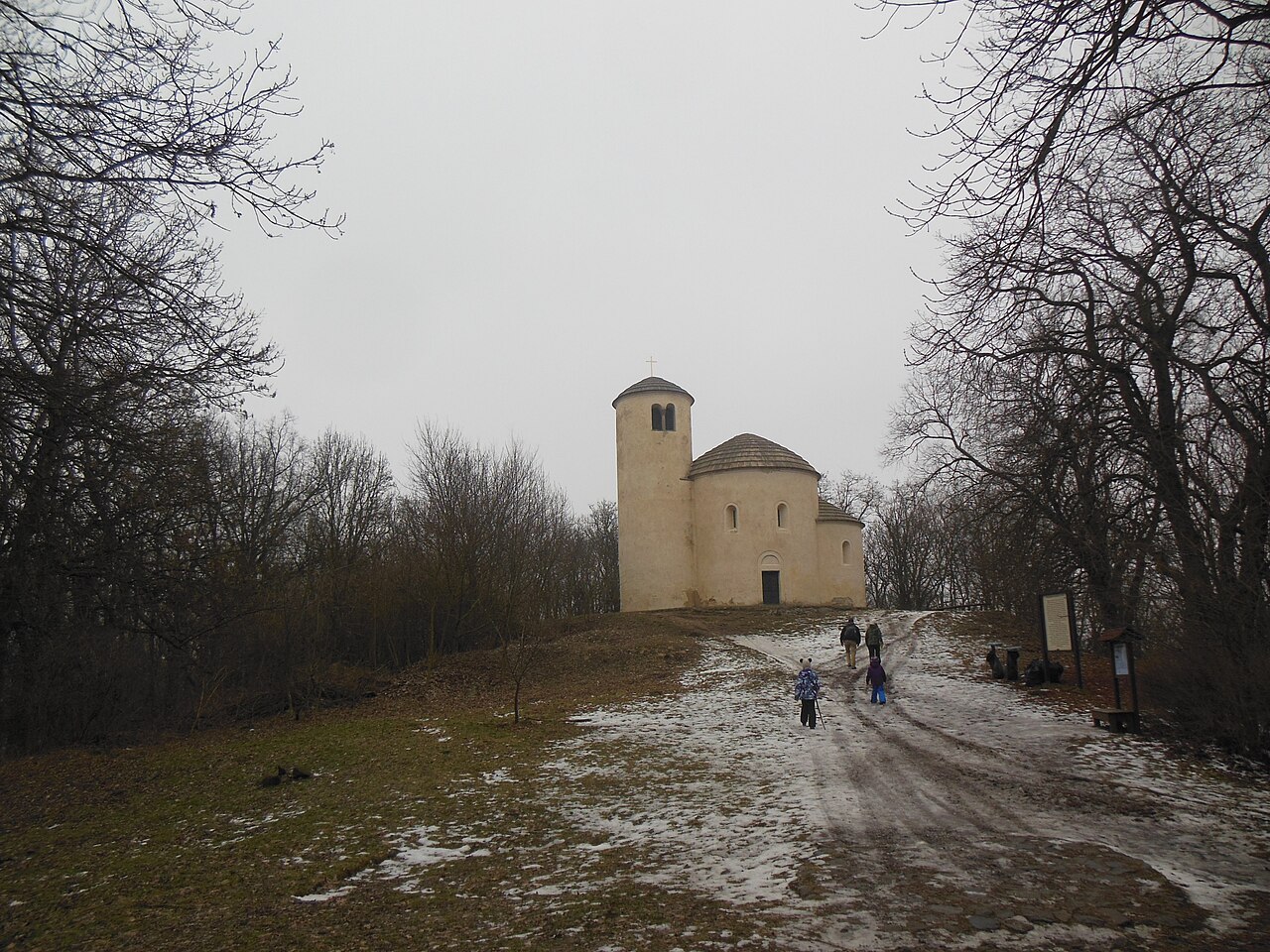
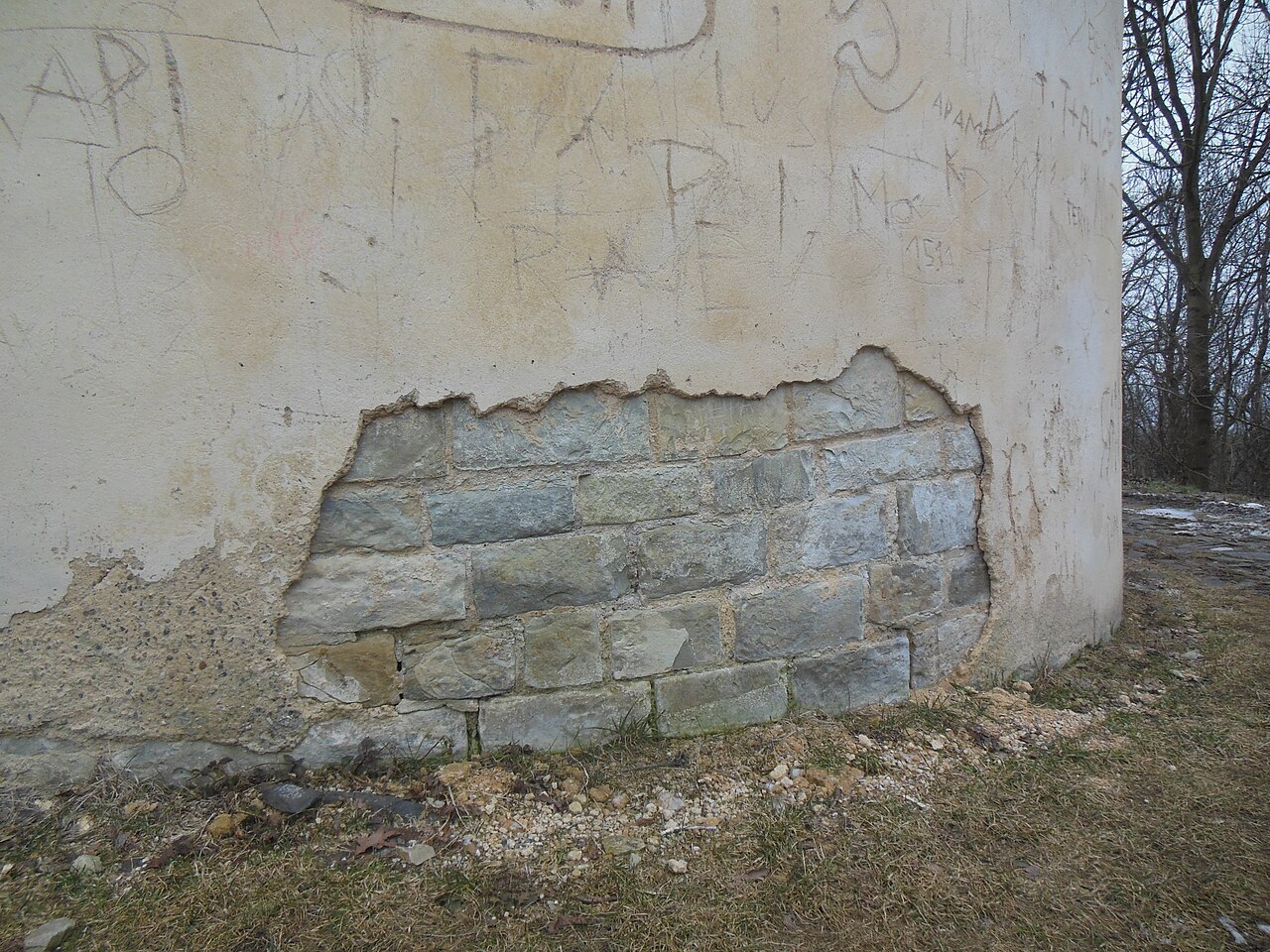
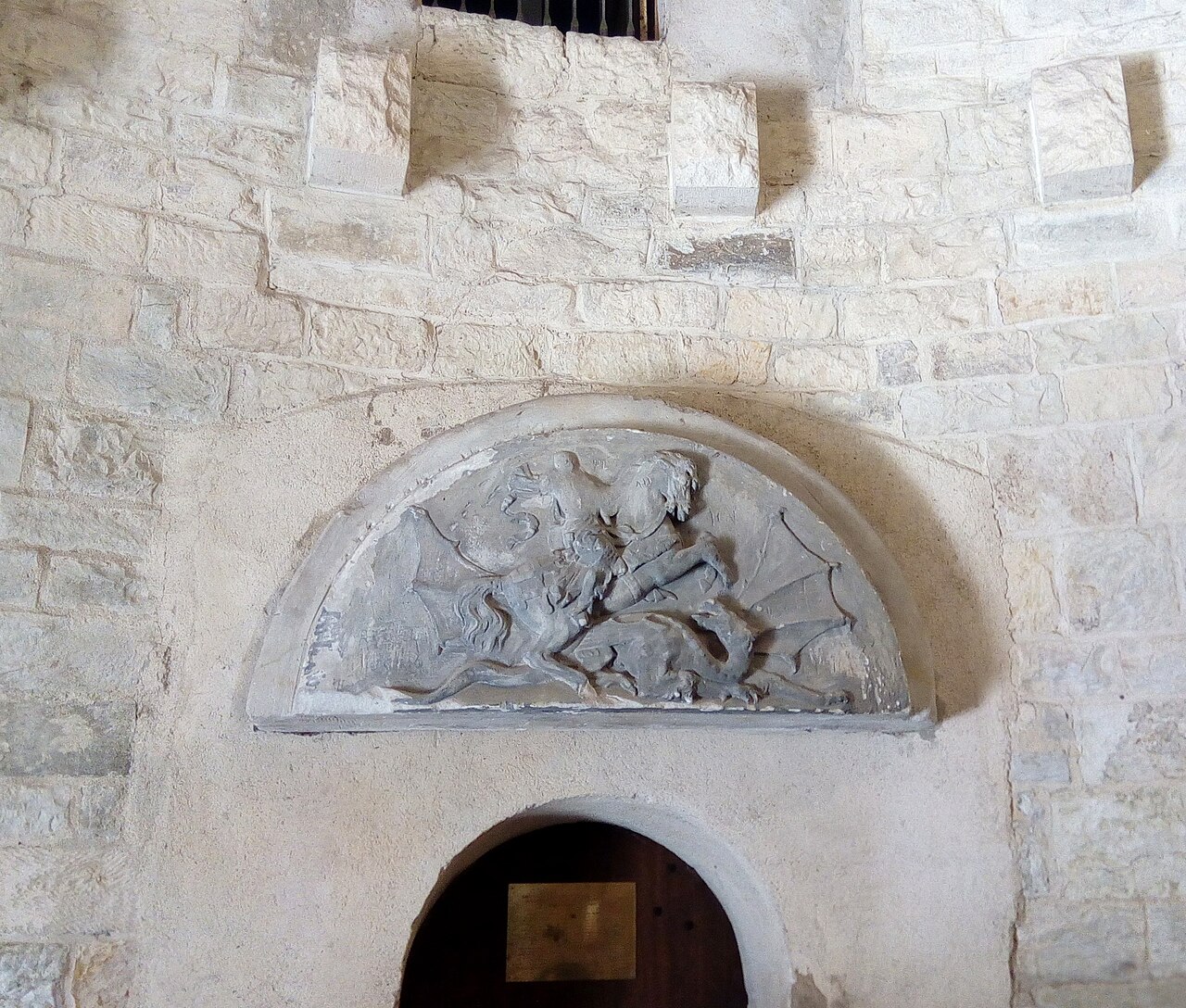
Photos: Wikimedia Commons, CC BY-SA
Proposed Říp concept
Říp is a geological formation, a legend, a medieval sacred site, a nineteenth-century national symbol and a working landscape. The journey doesn't decide which version is true — it teaches visitors to tell material evidence, written source, later interpretation and personal meaning apart.
Working labels only — real route names come from the Lobkowicz route material.
Track 1
Landscape Reader
contour / stone motif
QR entry · image observation · short text inference
Track 2
Sourcekeeper
page / trace motif
QR entry · text comparison · image evidence
Track 3
Memory Steward
rotunda / ring motif
QR entry · image detail · short reflection
Two depths, same checkpoints: Play (30–60 seconds — one observation, one decision, instant feedback) and Go deeper (2–4 minutes — source excerpt, curator voice, archival image, competing interpretation). Families move fast; schools and interested adults stay with the evidence.
Example missions
Stop 1
ImageŘíp has long worked as a visible orientation point.
Frame the silhouette so the photo shows what makes it legible from a distance.
Move: read the terrain
Stop 2
TextThe Forefather Čech narrative is a cultural source; archaeology speaks differently.
Sort three statements into legend, written source and material inference.
Move: separate claim from evidence
Stop 3
ImageMagnetite in the rock is linked to a local magnetic anomaly.
Photograph a permitted geological feature at a designated safe point. Remove nothing.
Trace: stone / signal
Stop 4
QRThe rotunda is first mentioned in 1126; today's look reflects later rebuilding.
Find the point that unlocks a then/now comparison.
Move: read change in a building
Stop 5
TextA foundation stone for the National Theatre was taken from the mountain in 1868.
Explain which physical act, story and institution turned rock into symbol.
Trace: the travelling stone
Stop 6
TextTrees now block the full circular view, so the rotunda offers a virtual panorama.
Name one thing the frame includes and one it hides.
Move: question the frame
Digital now, phygital next
Scan to enter, complete QR/image/text quests, earn a digital badge — on today's capability.
The prototype concept: wireflow, route diagram, sample screens, badge designs. Non-functional.
Play one complete track and keep progress — subject to partner approval, permissions and budget.
The same identity works across museums and sites, with shared but institution-controlled analytics.
The field token
Not a wristband. A passive NFC medallion or card with a visible QR fallback: no battery, no charging, wearable as a pendant or keyring, and still useful for visitors who never install anything.
Global field guide
Fourteen systems we studied before designing anything. Each card answers: what is physical, what is digital, what is collected, what works, what fails. The assessments are LIMINAL's, based on published product documentation and research.
A passive Power-Up Band records coins, stamps and keys at physical interactions; three keys unlock a finale.
Lesson: Copy the three-stage rhythm, not the infrastructure.
A wearable combines entry, hotel access, queue check-in, payment and photo linking.
Lesson: Solve identity and access first, delight second.
Visitors tap NFC labels to collect objects, then reopen the visit through a unique URL.
Lesson: Every tap should be an intentional act of curation.
A loaned tablet recognises 'time portals' and shows 360°/3D reconstructions with a family treasure hunt.
Lesson: Use AR only where it reveals an invisible layer — and label certainty.
Players find checkpoints on a map and confirm them by QR, location or a four-digit code.
Lesson: Borrow the verification mix; make the reward a trace or a skill.
Geofenced locations unlock stories and questions; completion creates a digital postcard.
Lesson: Never let one broken location block the whole visit.
290+ routes use historical characters, narrated problems, field tasks and a completion selfie.
Lesson: Use narrative as invitation, but keep fact, source and inference apart.
Czech geolocation games guide visitors around towns, castles and landscapes.
Lesson: Past Forward must solve the next problem: continuity between institutions.
Visitors scan artworks, access official tours and build a personal collection across institutions.
Lesson: 'Collect this real thing' beats 'collect points'.
A free app carries institution-curated guides, on site or at home.
Lesson: Don't recreate the guide — own the participation layer.
Camera recognition prompts real observation of species; badges reward repeated noticing.
Lesson: Design missions around looking and testing.
Visitors buy a physical book and collect free place/date stamps across 400+ units.
Lesson: The physical passport is not decoration — it is the retention engine.
Pilgrims collect stamps along the route; the completed credential earns a certificate.
Lesson: A badge should mean 'I did and understood something'.
Shrines and temples add hand-brushed seals to a visitor-owned book.
Lesson: At Říp, the souvenir should feel earned, not dispensed.
| Capability | QR guide | Location game | Analogue passport | Past Forward |
|---|---|---|---|---|
| Works across institutions | No | Platform-dependent | Yes | Yes |
| Institution controls interpretation | Yes | Varies | Manual | Yes |
| Persistent player identity | No | In-app only | Physical only | Digital + physical |
| Tangible souvenir | No | Rare | Yes | Field token |
| Low-screen mode | Sometimes | Weak | Strong | Designed in |
| Measurable learning | No | Points only | No | Moves and traces |
Institutions choose their own access, reward and revenue model. We bring the learning design, the research and the network.