
Heritage sites
Castles, museums, archives and landscapes host the missions and keep their own content.
Submit by 31. 12. 2026. We will present the strongest projects in 2027 and open a new call next year.
One QR code. One real place. Six things to notice.
The whole loop runs on one printed code and a phone browser. No app store, no account, no hardware to install at the site.
Scan one QR code at the place. Nothing to install.
The mission points at something real in front of you.
Walk, count, compare, photograph, or ask someone.
Every claim is labelled: evidenced, inferred or disputed.
A stamp lands in your field record and stays there.
The record carries over to the next place in the network.
Castles, museums, archives and landscapes host the missions and keep their own content.
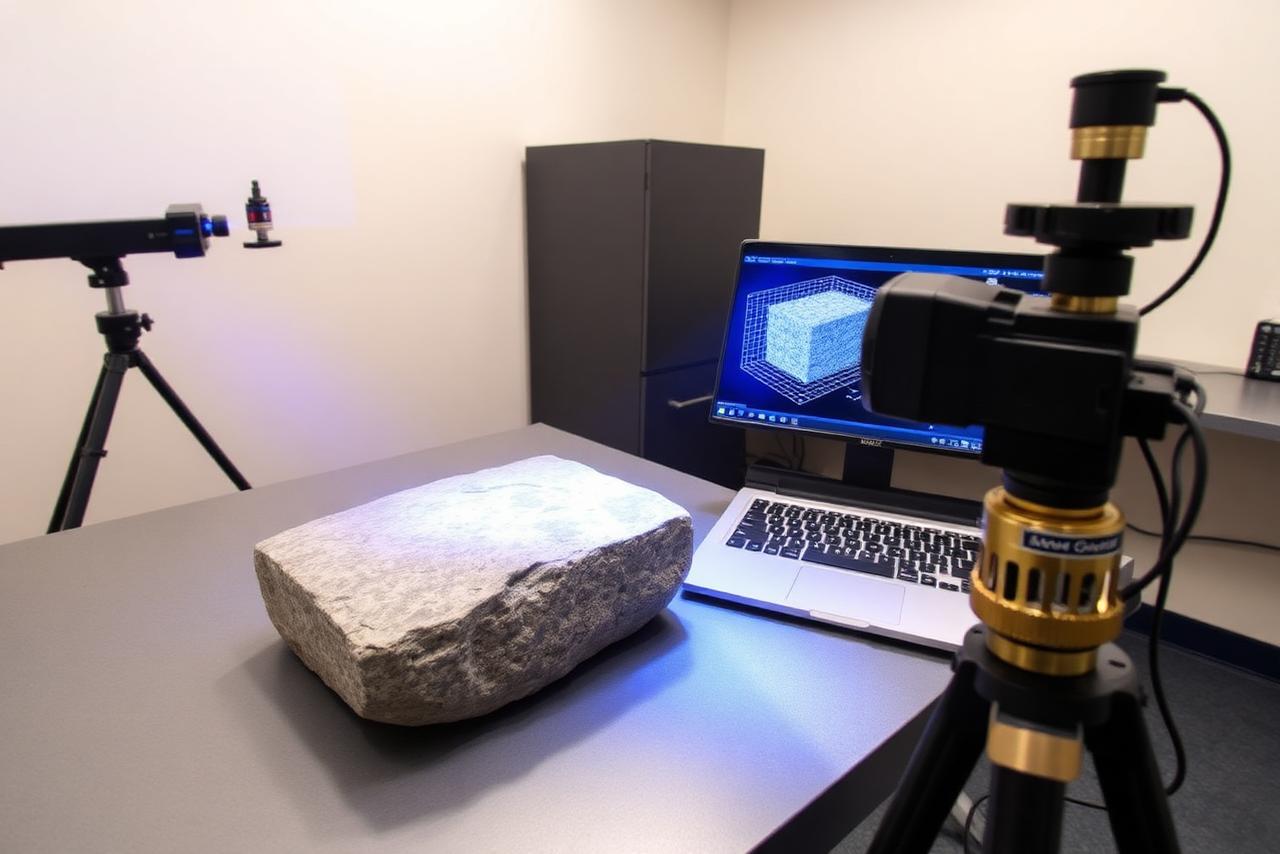
Guests arrive with a route already in their pocket and stay for a second day.
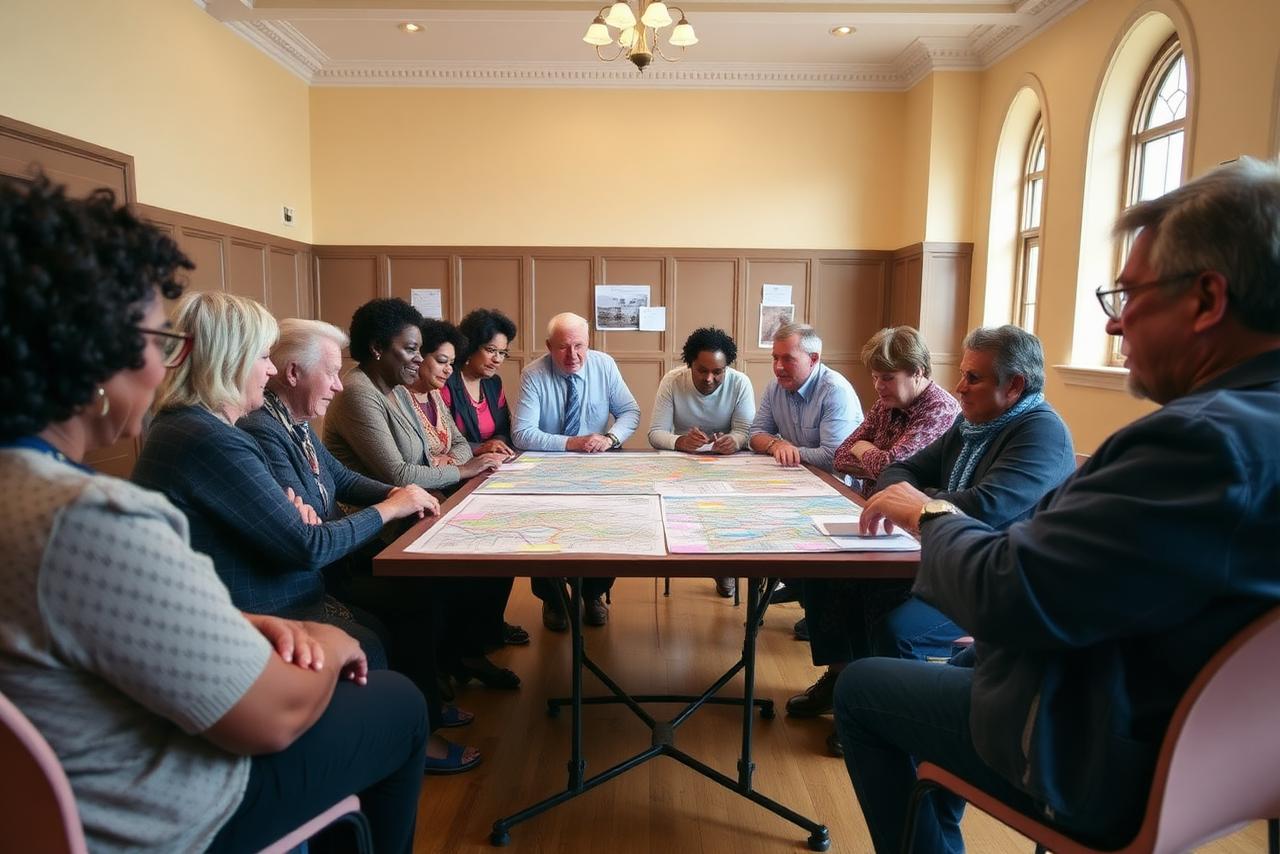
Regions link separate sites into one journey and see where visitors actually go.
Each partner hosts part of the route. Visitors carry the same record to every place.

The mission moves visitors past the main hall and into rooms they usually skip.
Digitised documents become the clue for a task carried out in the town outside.
A route across open terrain, where the only infrastructure is a printed code.
Screens from the Los Abuelos prototype built with Radek Richter: excavation, sherd matching and three levels of certainty.
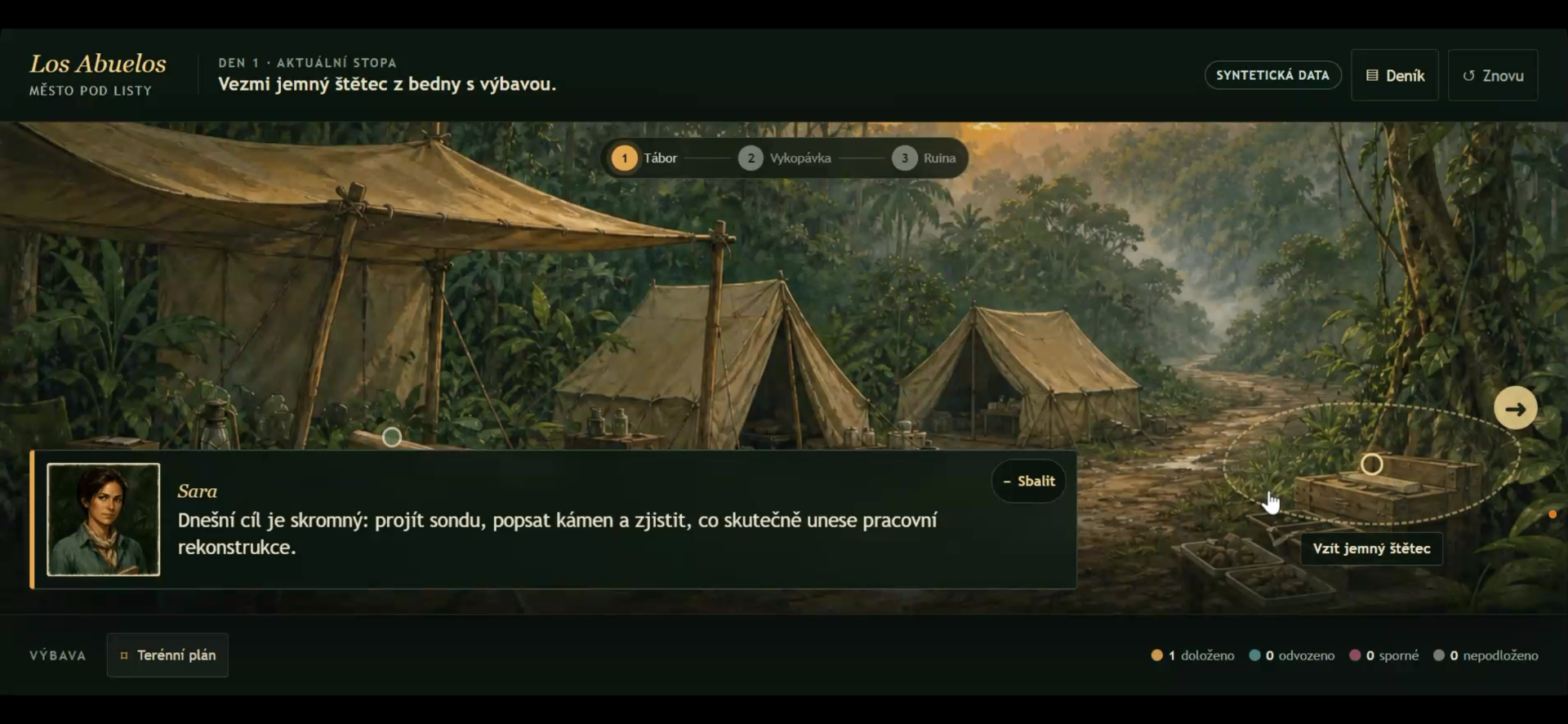
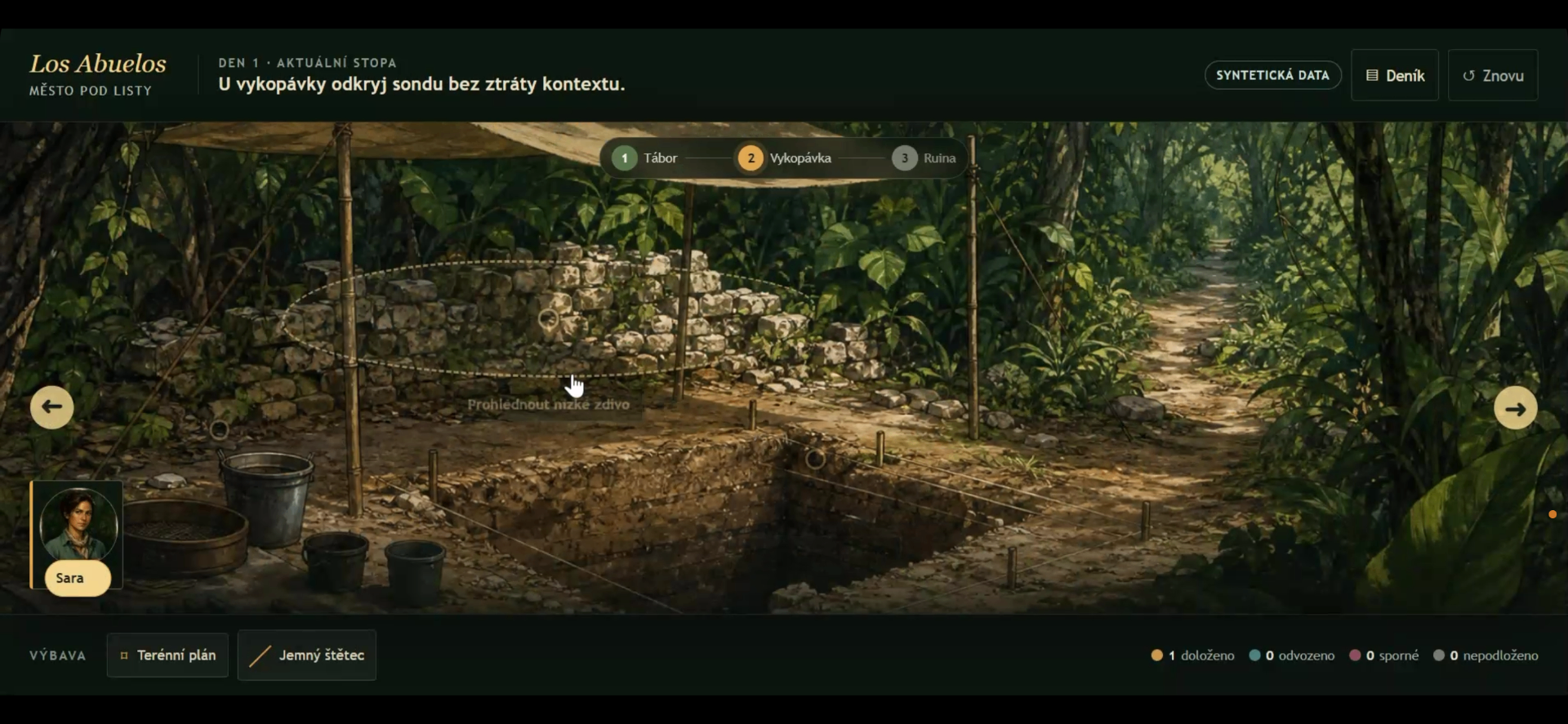
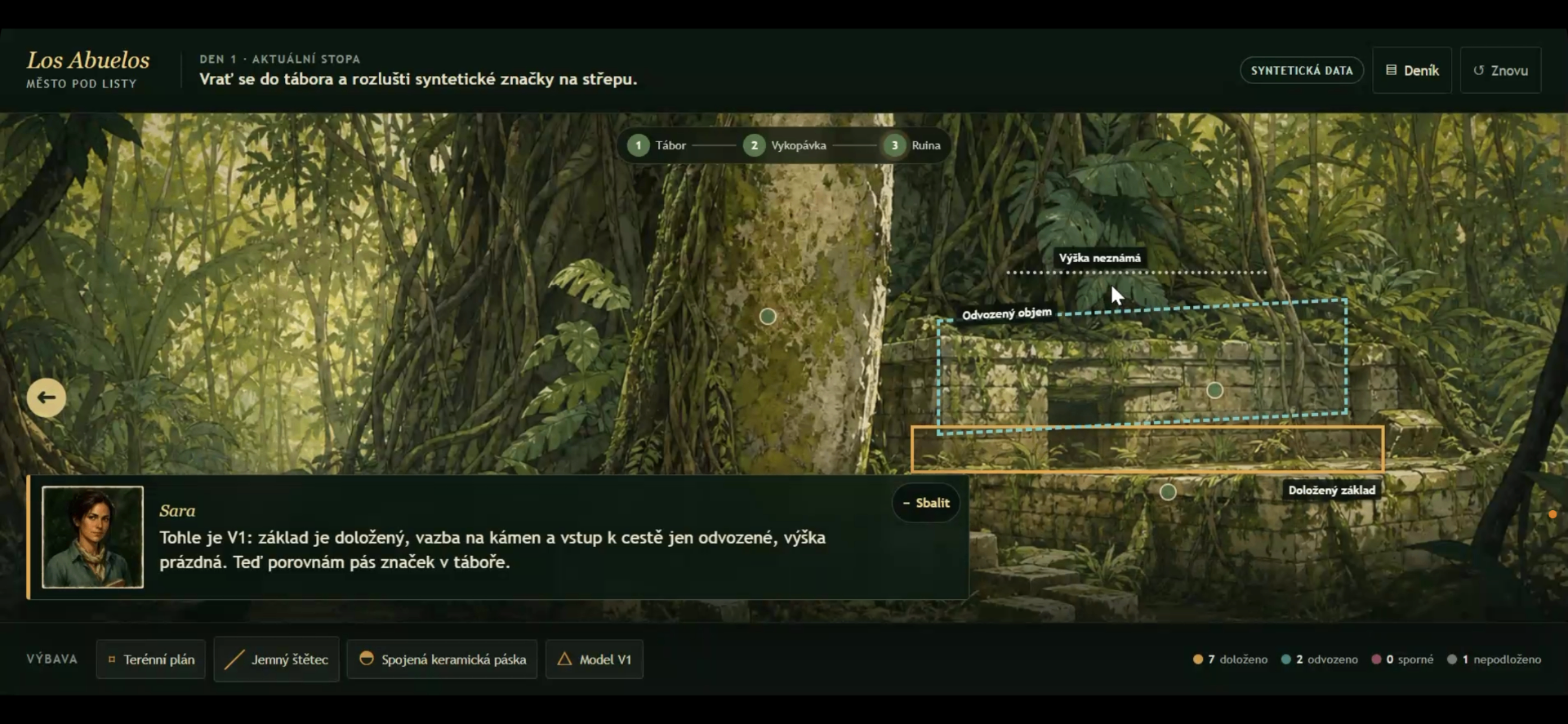
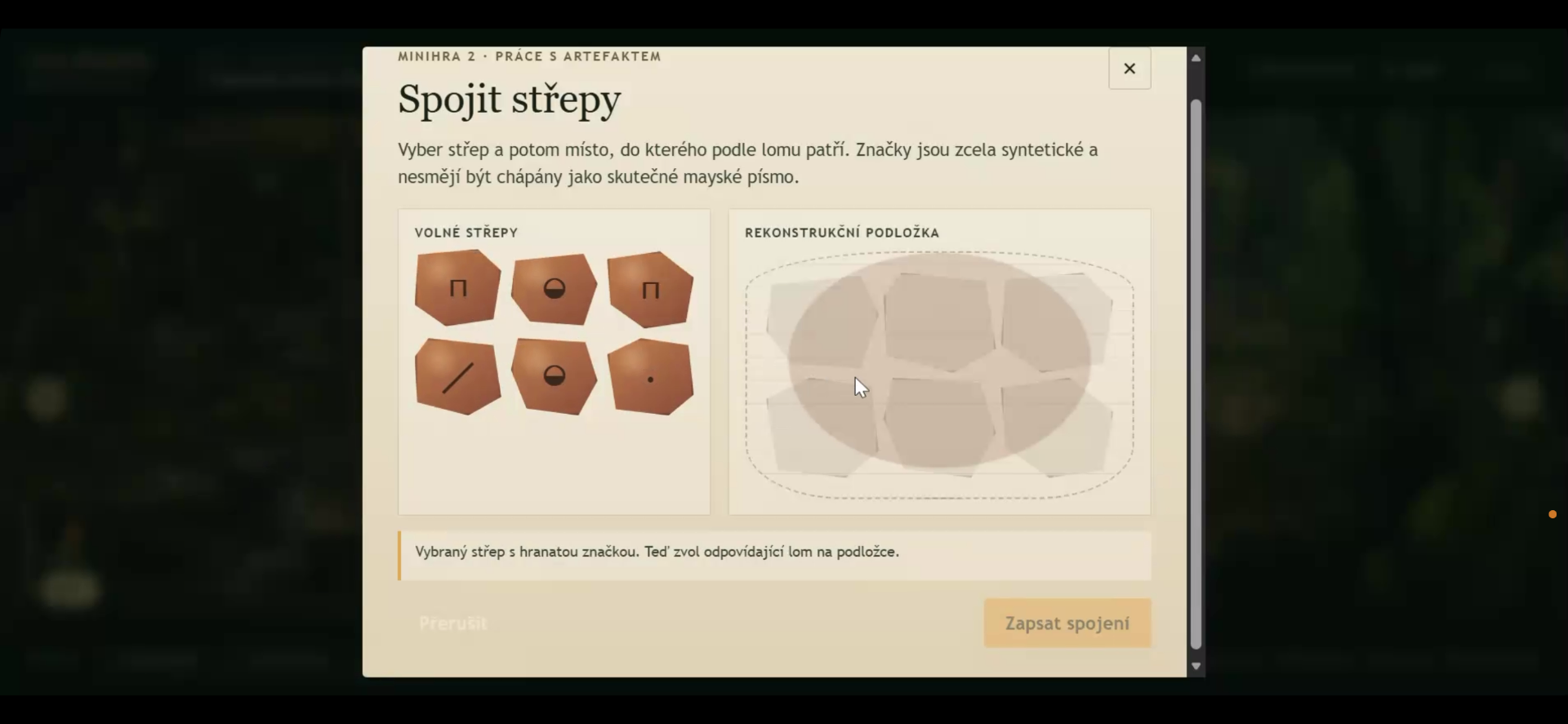
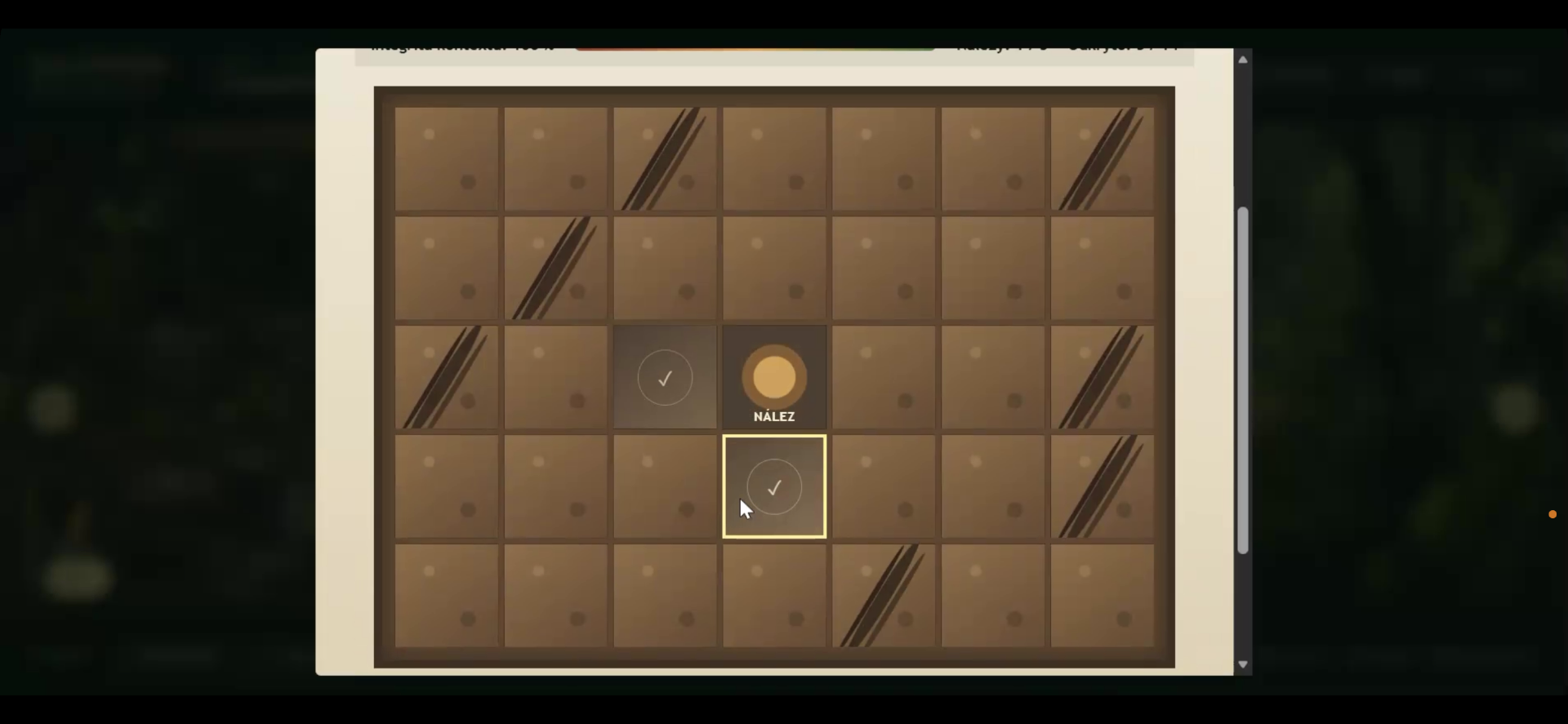
Playable archaeology built with Radek Richter: excavation, sherd matching and levels of certainty.
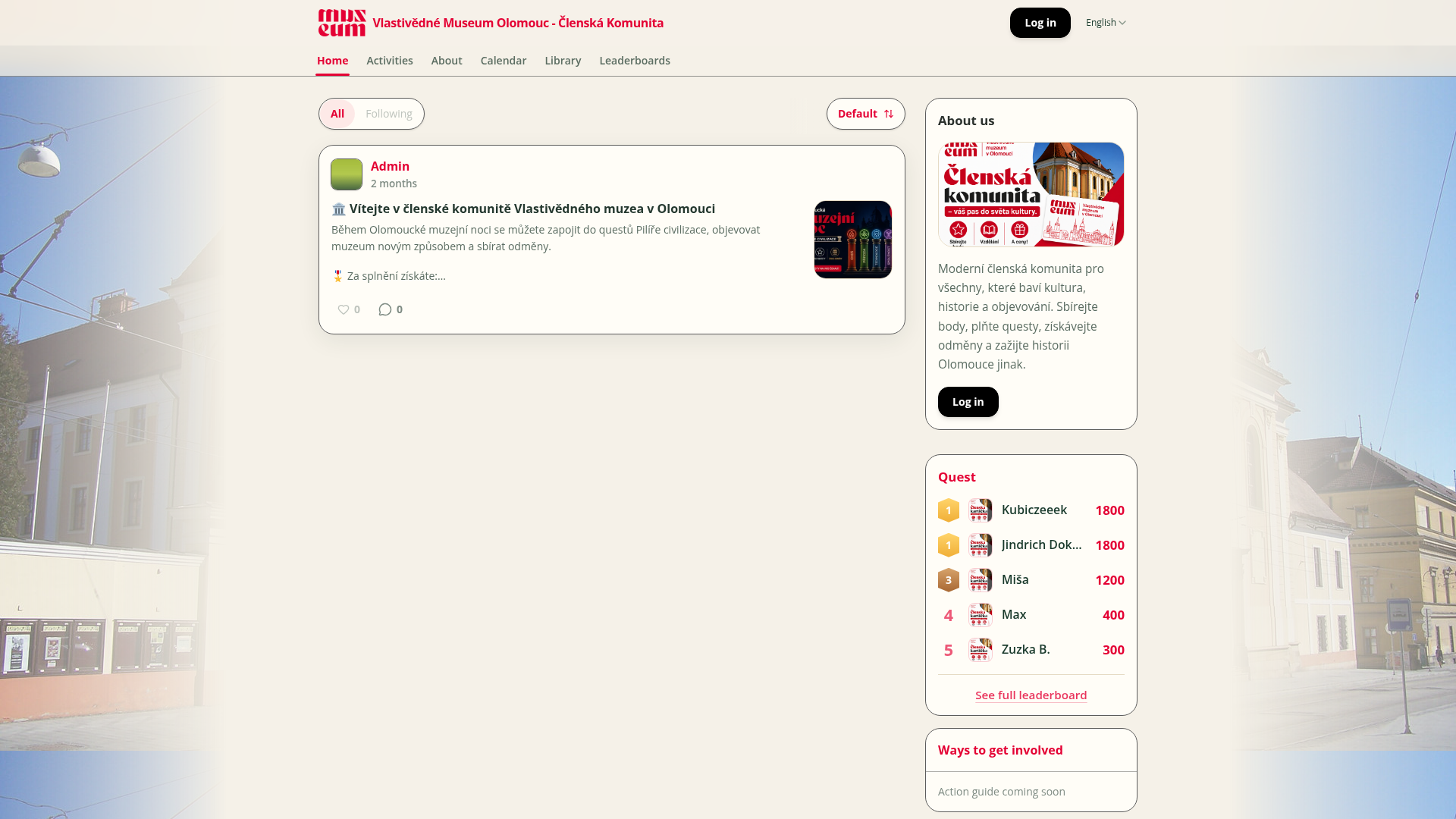
VMO Olomouc goes live on European community infrastructure.
First Czech sites, hotels and regions join the network.
Missions connect to the Guatemala expedition and its public data.
Cabinet Network runs on European community infrastructure. The institution keeps its member data and relationships, as at VMO Olomouc.
Start with the Heritage Audit — it tells us what your site already has and what its Trails & Challenges route would need.